

One of the most important aspects of a property is the roof. A qualified roofing professional is necessary to install a new roof. Up for selection are numerous variations of roofs, of which each has its own requirements and needs. A roof is the most noticeable part of a house, it shapes the property whilst protecting all the inhabitants from the outside world. Additionally, roofs with good insulations are able to supply extra space and are more durable when it comes to harsh weather. Nowaday, there are many types of roofs that are available to consumers. Following are some of the most common versions;
Hip Roof
This version spans equally to every side of the home. Each side is installed at the same time and they will all meet once the roof is entirely installed where they will create a ridge. Hip roofing is most endorsed in areas that are constantly exposed to harsh storms and strong winds. The inner sloping of each corner of the roof results in a more durable and stronger roof than gable roofing, this a great advantage of hip roofing.
Cons.
Hip roofing is typically expensive to both install and upkeep.
Gable Roof
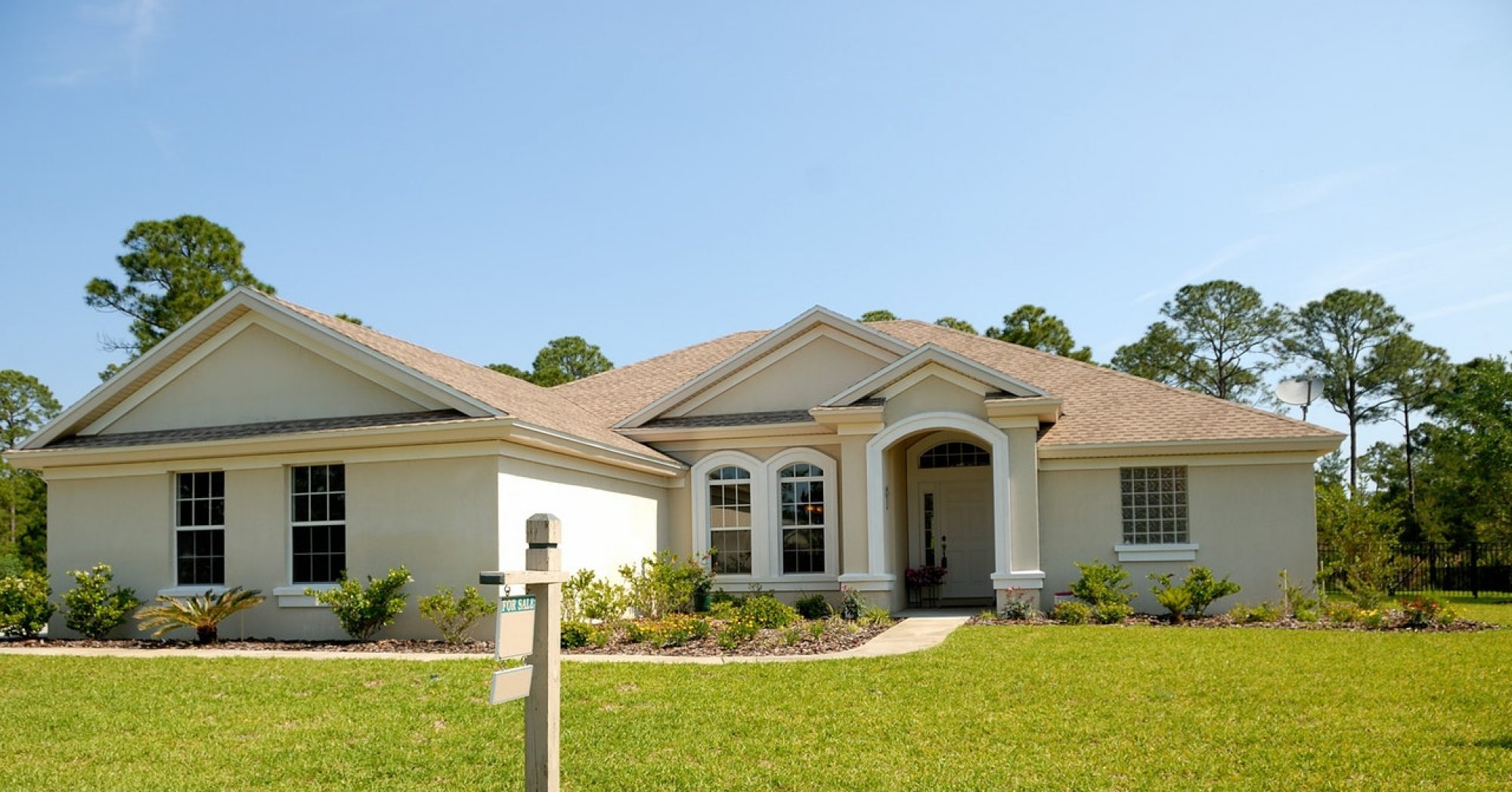
This variant is also commonly known as peaked or pitched roofing. The United States prefers this style of roofing and they are easily recognisable by their triangular shape.
Pros.
The triangular shape allows for great air flow and for the ease of rain and snow to fall off. They are also cost-effective to maintain.
Cons.
It is not recommended to have gable roofing in areas that are subject to high speed winds and storms. They can collapse in these conditions if not correctly installed.
Mansard Roof
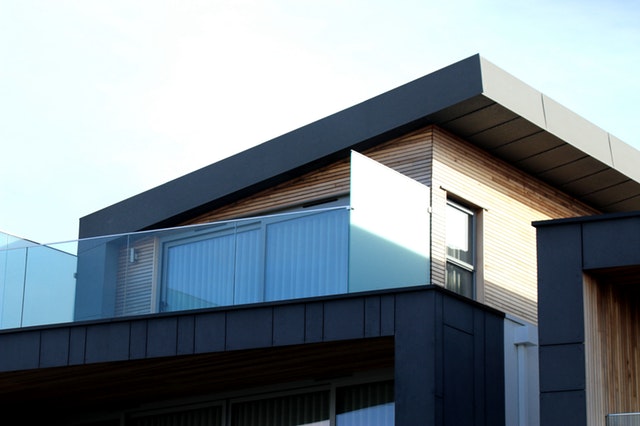
An exclusive form of roofing that is sometimes called French roofing. Mansard roofing is pitched and the sides can be either curved or flat. This decision is yours and impacts the overall aesthetics of the house. A contractor can be inquired for a professional opinion concerning your situation and wishes.
Pros.
This style is chosen by people generally due to the increased living area that it allows. This space is known as a garret and it is typically why this variation is chosen.
Cons.
Not generally selected in areas with high snowfall.
Flat Roof
These roofings are flat, as the name suggests, and a few pitched locations can be found in order to see that rain is appropriately disposed of. Generally, this form of roofing was used purely in industry. However, it can be found increasingly in residential houses.
Pros.
The shape of the roof allows for placement of extras on it. These could span from temperature control systems to even gardens.
Selecting the correct variation of roofing to suit your desires and wishes is important, however, the durability and resilience of the chosen roof type is of utmost importance. To ensure this is appropriately considered, making sure you inquire for the help of a professional, licensed roofer will not only ensure you make the right choice but also that the job is done successfully and correctly.
Information provided by roof restoration Sydney.


 Your roof is a long-term investment. However, there are a few roofing problems that you might encounter that will threaten the durability of your roof altogether. Here are some of the common roofing problems to check out.
 Back in 2006, I took out an ARM loan on the first home I purchased. The idea behind an ARM loan is that you can get a better introductory rate, and then as time goes by, the rate can fluctuate up and down. It is kind of a gamble, and truth be told, I didn’t get the best introductory rate because of my credit.
 So you have got your PC home loan and the property you have acquired has a slate roof. This is a great decision as slate ads value and a touch of class to any home. Here we have a brief look at the history of the slate roof.